Optimal Timing for Wood Floor Repairs
Spring offers moderate humidity levels, reducing the risk of wood expansion or contraction during repairs.

Summer may bring higher temperatures and humidity, which can affect wood stability during repair processes.

Autumn's cooler and drier conditions can facilitate effective repairs and drying times.
Ways to make Wood Floor Repairs work in tight or awkward layouts.

Popular materials for Wood Floor Repairs and why they hold up over time.
Simple add-ons that improve Wood Floor Repairs without blowing the budget.

High-end options that actually feel worth it for Wood Floor Repairs.
Finishes and colors that play nicely with Wood Floor Repairs.
Wood floor repairs are essential for maintaining the longevity and appearance of hardwood flooring. Proper timing ensures that repairs are effective and durable. Seasonal variations influence wood moisture levels, which can impact the success of repair work. For instance, repairing floors during seasons with stable humidity minimizes the risk of future gaps or warping.
Statistics indicate that hardwood floors are among the most durable flooring options, with an average lifespan of 20-100 years depending on maintenance. Regular repairs can extend this lifespan significantly. The timing of repairs, aligned with seasonal conditions, can prevent issues such as buckling, cracking, or uneven surfaces, ensuring the floor remains in optimal condition.
Creaking sounds, visible cracks, and uneven surfaces suggest the need for professional assessment and repair.
Common repairs include sanding, filling gaps, and replacing damaged planks.
Timely repairs prevent further damage, preserve aesthetics, and maintain property value.
While minor fixes can be DIY, complex repairs should be handled by professionals to ensure quality results.
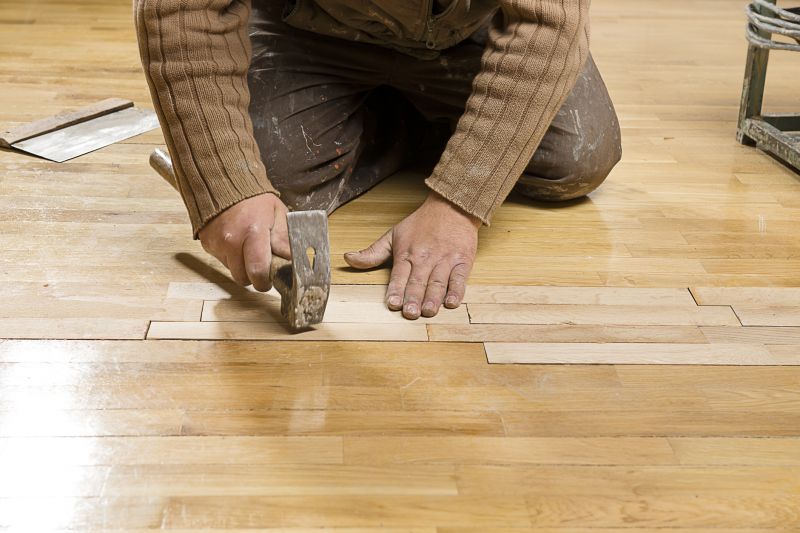
Step-by-step procedures include assessment, preparation, repair, and finishing.
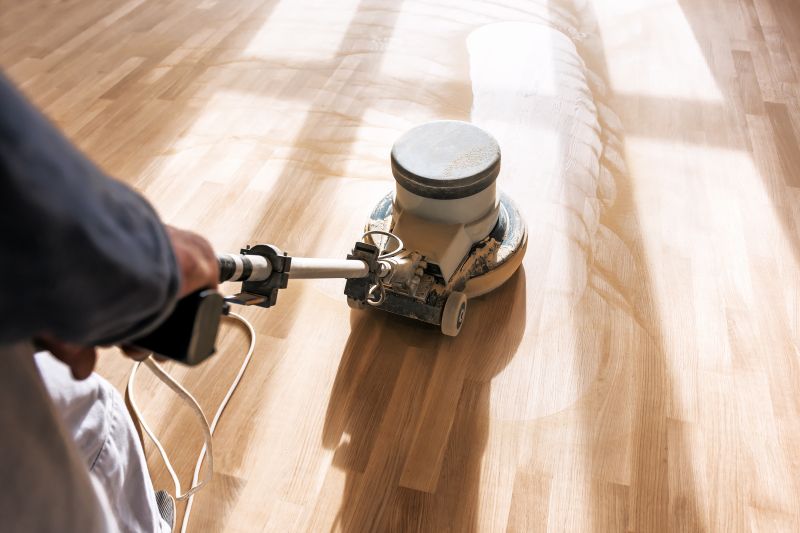
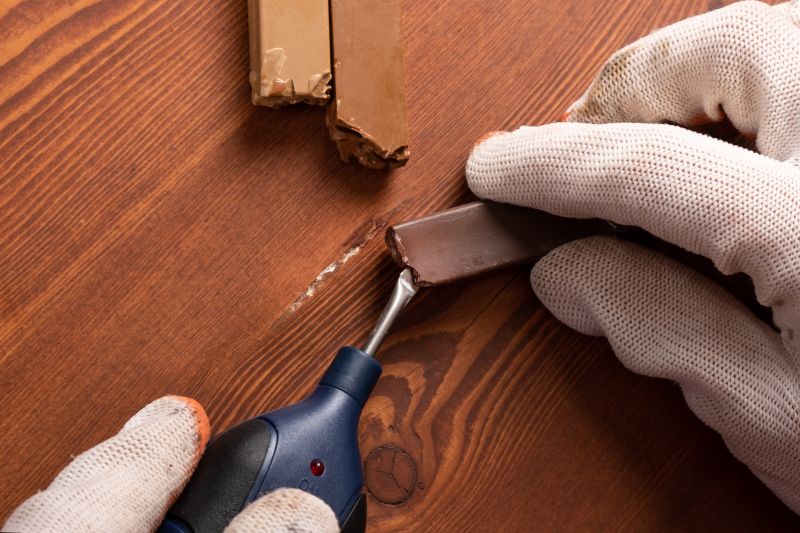
Tools such as sanders, fillers, and finishing products are essential for quality repairs.

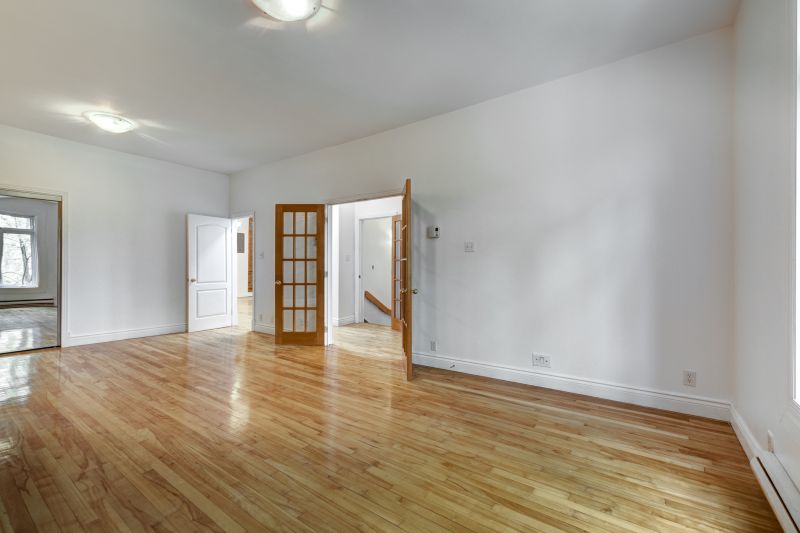
Transformative results demonstrate the impact of professional repairs.

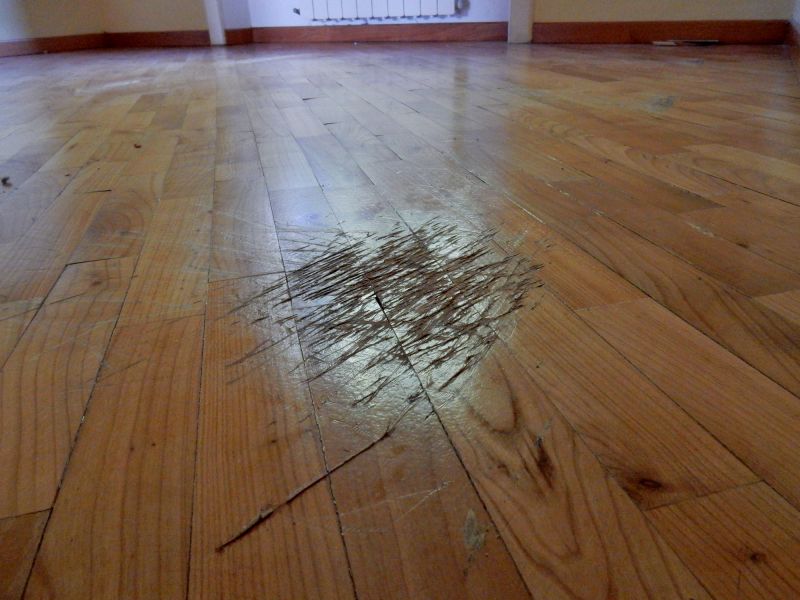
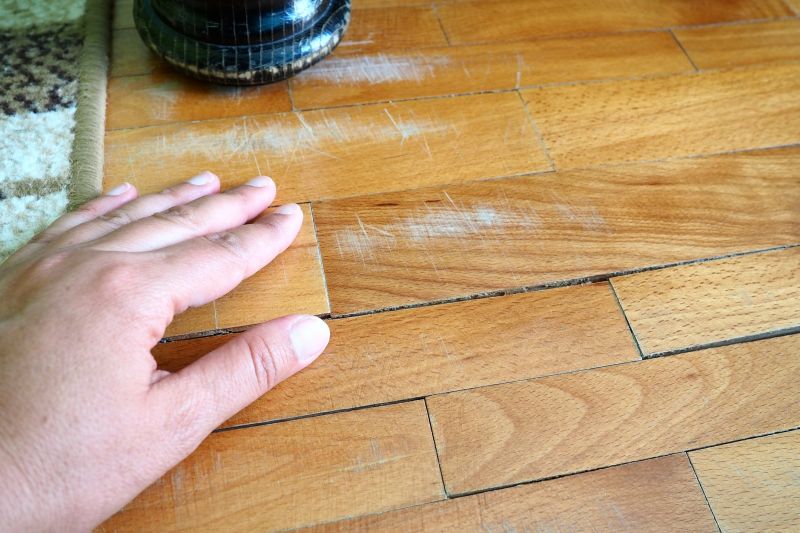
Scratches, gouges, and water damage are typical issues addressed during repairs.
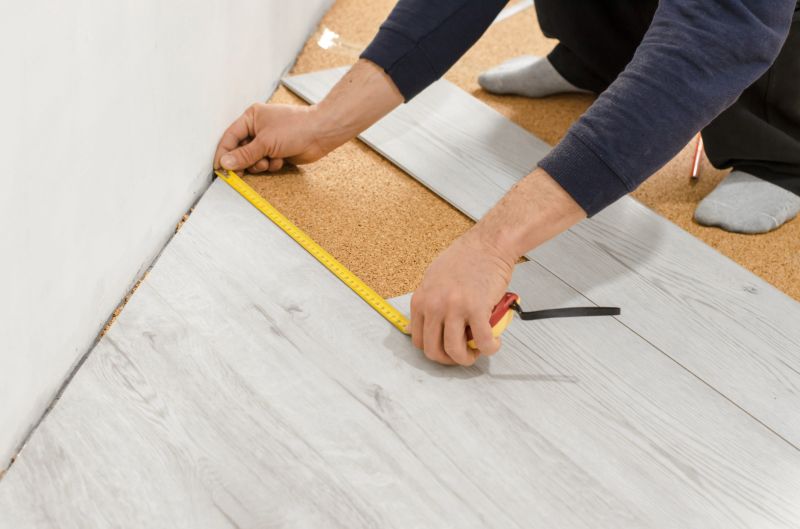
Little measurements that prevent headaches on Wood Floor Repairs day.
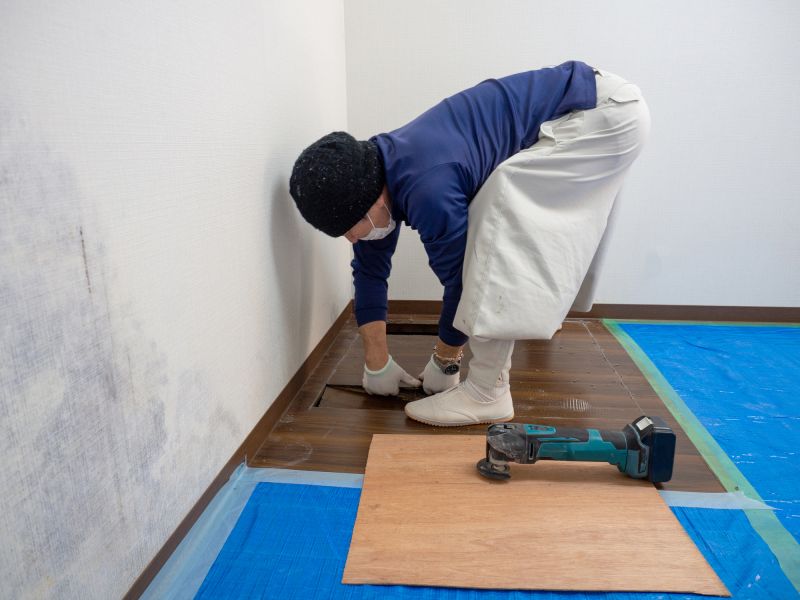
A 60-second routine that keeps Wood Floor Repairs looking new.

A frequent mistake in Wood Floor Repairs and how to dodge it.

Small tweaks to make Wood Floor Repairs safer and easier to use.
| Seasonal Condition | Impact on Wood Floor Repairs |
|---|---|
| Spring | Ideal due to moderate humidity and temperatures. |
| Summer | Higher temperatures and humidity can complicate repairs. |
| Autumn | Optimal with cooler, drier conditions. |
| Winter | Low humidity may cause wood to contract, requiring careful timing. |
| Rainy Season | Increased moisture can hinder drying and adhesion. |
Proper timing for wood floor repairs involves assessing seasonal humidity and temperature levels. Repairing during periods of stable environmental conditions reduces the risk of future problems such as buckling or gaps. Consulting with flooring professionals can help determine the most suitable time based on local climate patterns.

Essential tools include sanders, putty knives, and finishing equipment.
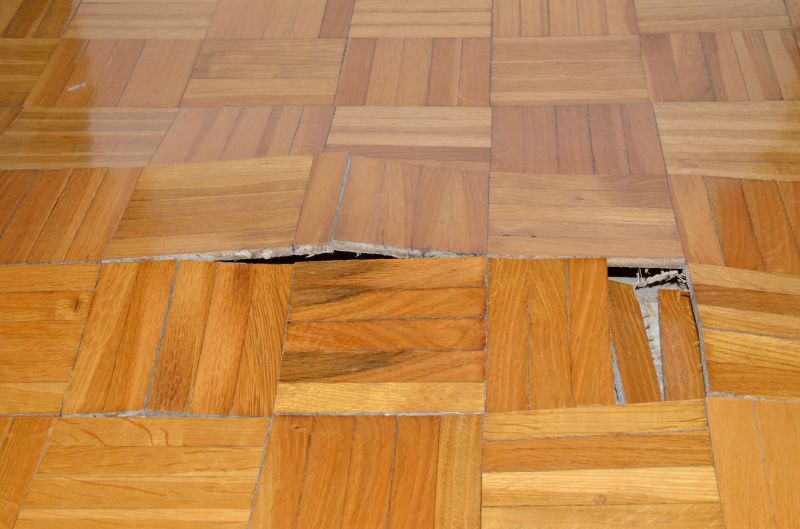
Examples of common damage requiring repairs.

Showcasing restored, seamless flooring after repairs.

Lower-waste or water-saving choices for Wood Floor Repairs.

The short, realistic tool list for quality Wood Floor Repairs.
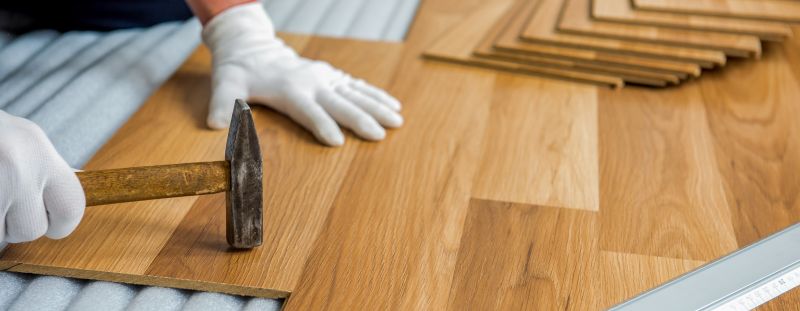
Rough timing from prep to clean-up for Wood Floor Repairs.

Quick checks and paperwork to keep after Wood Floor Repairs.
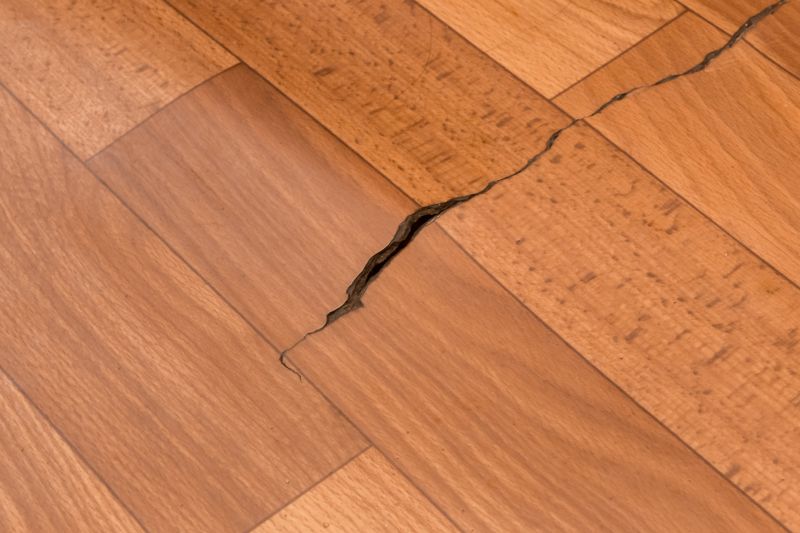
Examples that show the impact a good Wood Floor Repairs can make.
Interested parties are encouraged to contact for more information or to schedule a consultation regarding wood floor repairs. Proper timing and professional assessment can ensure long-lasting results and preserve the beauty of hardwood flooring.